How to Understand Solana and Its Growing Impact in Crypto Markets
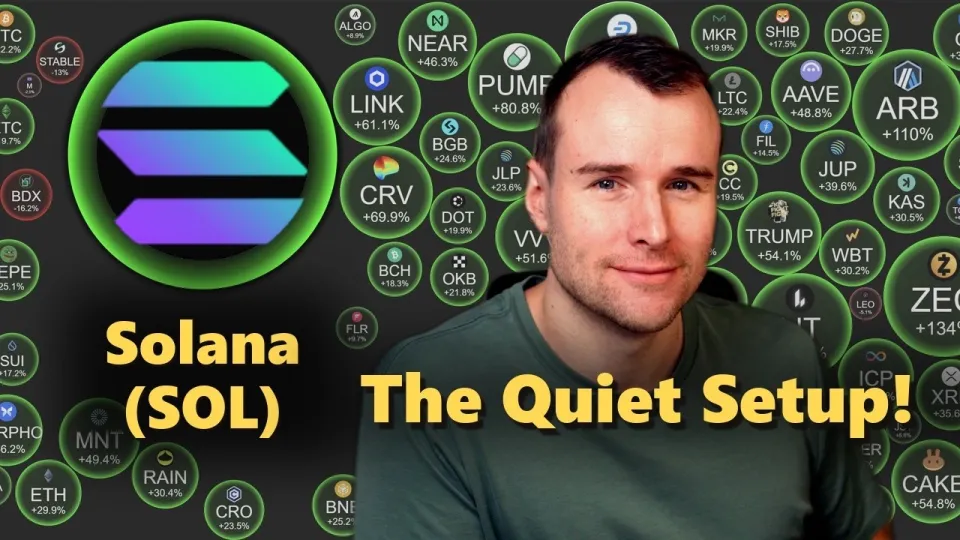
Video: 🚀 Solana Is Quietly Winning - SOL Crypto Analysis
· based on the channel Bitcoin Strategy
Key takeaways
- Solana offers low transaction fees and fast processing speeds compared to Ethereum.
- The Firedancer upgrade and Alpenglow testnet are key developments enhancing Solana's network.
- Solana's inflation rate is lower than many competitors, impacting its tokenomics positively.
- Solana ETFs are seeing increased inflows, signaling growing institutional interest.
- SOL price predictions suggest potential significant growth if network adoption continues.
Solana is quietly establishing itself as a dominant player in the cryptocurrency space by offering superior transaction speeds and lower fees compared to competitors like Ethereum. Understanding Solana involves examining its technical upgrades, market dynamics, and ecosystem growth that collectively position it for potential long-term success. For those interested in exploring trading or investment options with Solana, bonus registration and trading tools are available here.
Key Advantages of Solana Over Ethereum
Solana's blockchain architecture allows for much faster transaction processing and significantly lower fees than Ethereum. These advantages stem from its Proof of History consensus mechanism, which reduces network latency and increases throughput. While Ethereum still leads in total value locked and developer activity, Solana's scalability and cost efficiency attract a growing user base and decentralized applications (dApps). This technical edge is critical for mass adoption and positions Solana as a viable alternative for smart contract platforms.
Recent Developments Enhancing Solana's Network
Recent updates like the Firedancer upgrade aim to improve Solana's reliability and throughput further. Additionally, the Alpenglow testnet has demonstrated promising performance metrics that could translate into better network stability and scalability upon full deployment. These technological improvements are essential for supporting higher transaction volumes and reducing downtime, which have historically been challenges for Solana.
Solana's Tokenomics and Inflation
Solana maintains a moderate inflation rate, which some critics point out as a concern. However, compared to other major cryptocurrencies, Solana's inflation is relatively low and declining due to network upgrades and deflationary mechanisms such as transaction fee burns. This dynamic influences SOL's supply-demand balance and is a positive factor for long-term price appreciation.
Institutional Interest and Solana ETFs
Solana is also gaining traction at the institutional level. Solana ETFs are experiencing increased inflows, reflecting growing confidence from professional investors. These inflows not only provide liquidity but also signify recognition of Solana's potential as a key asset in diversified crypto portfolios. The development of financial products around SOL enhances its accessibility and market maturity.
Price Trends and Predictions for Solana
After a strong performance earlier in the year, Solana's price has shown resilience despite broader market fluctuations. Analysts suggest that if Solana continues to improve its network capabilities and ecosystem growth, the price could see substantial gains, with some optimistic forecasts targeting $600 to $1000 in the medium term. However, investors should remain cautious and monitor factors such as inflation rates and competition from other blockchains.
Common Questions About Solana
Many users wonder whether Solana can truly surpass Ethereum in terms of adoption and market capitalization. While Ethereum maintains advantages in developer activity and decentralized finance (DeFi) infrastructure, Solana's speed and low fees make it a strong contender for applications requiring high throughput. Another common concern is about Solana's inflation, which is being addressed through network upgrades and tokenomics adjustments.
Useful Links
Conclusion
Solana is quietly winning in the crypto space by combining technological innovation with growing institutional support. Its faster transaction speeds and lower fees provide a compelling alternative to Ethereum, especially for high-volume applications. Continuous upgrades like Firedancer and the Alpenglow testnet enhance network performance and reduce inflationary pressure, making SOL a promising asset for investors and developers alike. For a comprehensive analysis and regular updates on Solana, the Bitcoin Strategy channel offers valuable insights and tools, including access to automatic copy trading via this link.
Source: 🚀 Solana Is Quietly Winning - SOL Crypto Analysis · Markdown version
Questions & answers
Is Solana inflationary and how does it affect the token?
Solana has a moderate inflation rate that is currently declining due to network upgrades and deflationary mechanisms like transaction fee burns. This helps maintain a balanced supply and supports potential price appreciation over time.
How does Solana compare to Ethereum in terms of speed and fees?
Solana offers significantly faster transaction speeds and much lower fees than Ethereum, thanks to its Proof of History consensus mechanism. This makes it attractive for applications requiring high throughput and cost efficiency.
What are the key network upgrades for Solana in 2026?
The Firedancer upgrade and the Alpenglow testnet are major developments improving Solana's reliability, scalability, and overall performance, which help address previous network downtime and increase throughput.
Are institutional investors showing interest in Solana?
Yes, Solana ETFs have seen increased inflows, indicating growing institutional interest. This enhances liquidity and validates Solana as a serious asset in professional crypto portfolios.