How do I launch a meme coin on Pump Fun without spending money on development?
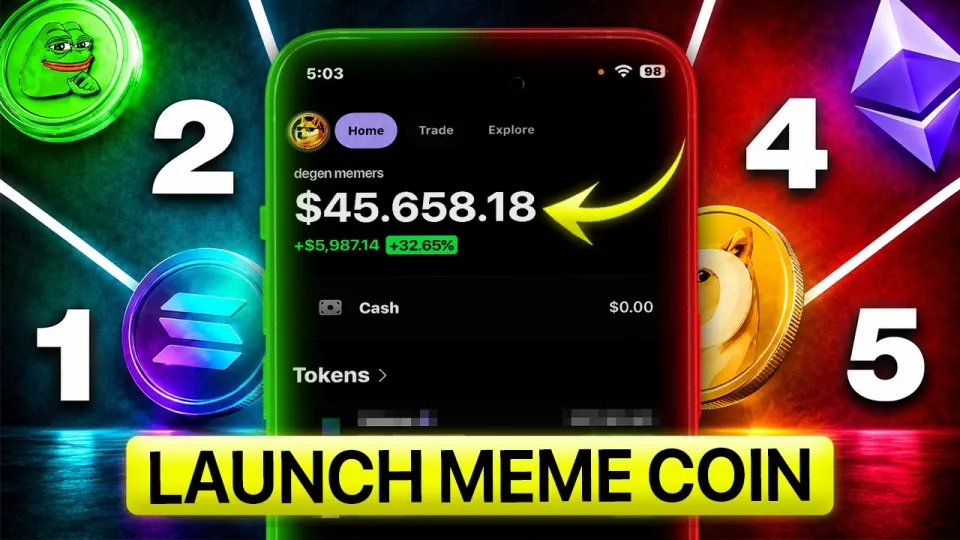
Video: How To Launch A Meme Coin On Pump Fun With $0 (Live Results)
· based on the channel Degen Memers
Key takeaways
- A meme coin on Pump Fun can be created through a no-code token generator in a few minutes, without writing a single line of Solidity or Rust.
- The launch itself is free; the real costs appear later, when you add liquidity to the pool and pay to boost the token for visibility.
- Liquidity determines whether anyone can buy or sell your token at all: a pool with too little SOL produces huge slippage on every trade.
- Boosting is a paid visibility tool that pushes the coin into listings and feeds where new pairs get discovered.
- Profit is taken by selling part of the dev allocation into the liquidity that buyers create, not by holding the whole supply.
Launching a meme coin on Pump Fun with $0 means using a no-code token generator to mint the token on Solana, then adding a liquidity pool and paying for visibility only after the coin exists. Creating the token takes minutes and costs nothing beyond network fees; the real work, and the real money, sits in how you set up liquidity, boost the coin and exit your position.
What you actually need before you launch a meme coin
A Solana wallet with a small SOL balance and a token idea are the only hard requirements for a no-code launch. The token generator handles the contract side, so there is no need to write or audit custom code, but you still need a wallet that can sign transactions and cover Solana network fees, which are fractions of a cent per transaction. Decide the name, ticker and total supply in advance, because these are fixed at mint time and cannot be changed afterwards. Most creators also prepare an image and a short description before starting, since the token page is what traders see first and a blank listing rarely gets a second look.
How to launch a meme coin on Pump Fun step by step
The process runs from wallet connection to a live chart in five stages, and each stage has a clear output you can verify.
- Open the meme coin creator site and connect your Solana wallet. Approve the connection request in the wallet extension or mobile app.
- Enter the token name, ticker symbol and total supply, then upload the logo. Double-check the ticker, because a typo is permanent.
- Confirm the creation transaction and pay the network fee. The token now exists on-chain and has its own mint address.
- Create the liquidity pool for your token paired against SOL. This is the step that decides whether the coin is tradeable at all.
- Boost the token for visibility so it appears in front of traders browsing new pairs, then watch the live chart and manage your position.
Liquidity setup and why the pool size matters more than the logo
A liquidity pool is the contract that holds your token and the SOL buyers pay, and its depth sets the price impact of every trade. If you seed the pool with a very small amount of SOL, even a modest buy will move the price violently, and the first seller will crater it; that pattern is what traders call a soft rug even when nobody intended one. A larger initial SOL side gives a smoother chart and makes it possible for buyers to enter without instantly doubling the price. On Pump Fun-style launches the pool is created automatically when the token goes live, but the amount of SOL committed at that moment still determines the starting market cap and the shape of the early candles. Treat the pool as your marketing budget: it is the number that determines whether the chart looks alive or dead on arrival.
Boosting a token for visibility and reading the live chart
Boosting is a paid promotion that pushes a freshly created coin into the feeds and listings where degen traders hunt for new pairs. Without any visibility spend, a new token is one of thousands minted the same day and will usually sit at zero volume; a boost buys attention, not buyers. Once the chart is live, watch three things: the number of unique holders, the ratio of buys to sells, and whether volume is coming from many wallets or one. A chart that prints a single large green candle followed by silence is a warning sign, while steady small buys from different addresses suggest organic interest. This is also where you decide your exit plan in advance, because decisions made in the middle of a candle are usually bad ones.
Taking profit as the dev without killing the chart
Profit for a dev comes from selling a portion of the initial allocation into the liquidity that buyers provide, and the timing of that sale decides whether the coin survives. Dumping the entire dev bag in one transaction drains the pool, collapses the price and ends the token's life in minutes. A more sustainable approach is selling in tranches as market cap rises, keeping enough tokens in reserve that the chart does not look abandoned. Remember that every sale you make is visible on-chain, and traders watch dev wallets closely; a wallet that sells steadily is treated very differently from one that empties in a single swap. Plan the tranches, the target market caps and the amount per sale before launch, and stick to them.
Common doubts from new meme coin devs
The questions that come up most often are about whether a free launch is genuinely free and whether a beginner can pull it off. A no-code launch is free in the sense that no developer is paid and no custom contract is written, but liquidity and boosts cost SOL, and skipping them leaves you with an untradeable token. Beginners can complete the whole flow in an afternoon; the technical part is clicking through a form, while the difficult part is judgment about pool size, timing and exit. Another recurring doubt is whether a launched coin can be modified later, and the answer is no for supply and mint parameters, which is why the setup step deserves the most care. Finally, many new devs underestimate how much of a launch is marketing: the token is the easy part, and attention is the scarce resource.
Bottom line on launching a meme coin with no coding
A meme coin launch on Pump Fun is a five-step no-code process: connect a wallet, mint the token, seed the liquidity pool, pay for a boost and manage the chart. The technical barrier is close to zero, which means the edge comes entirely from liquidity sizing, visibility spending and disciplined profit-taking. The Degen Memers breakdown walks through exactly this sequence live, from the creator site to the profit-taking stage, and is a useful reference for seeing the flow end to end. Treat the whole exercise as a high-risk experiment with money you can afford to lose, because most new meme coins never find buyers.
Source: How To Launch A Meme Coin On Pump Fun With $0 (Live Results) · Markdown version
Questions & answers
Can I really launch a meme coin for $0?
The token creation itself can be done without paying a developer, since no-code generators mint the contract for you and only charge Solana network fees of a few cents. However, a coin with no liquidity cannot be bought or sold, and visibility boosts cost SOL, so a launch that actually trades requires some capital beyond zero.
Do I need to know how to code to create a token on Solana?
No. The entire flow runs through a web form where you enter the name, ticker, supply and logo, then approve the transaction in your wallet. Coding only becomes relevant if you want custom mechanics such as taxes, burn functions or vesting that a standard generator does not offer.
What happens if I add too little liquidity to the pool?
A shallow pool means every trade moves the price dramatically, so the first meaningful sell can wipe out most of the chart. Traders notice the thin depth and avoid the token, which usually leaves it with no volume and no path to recovery.
Can I change the token supply after launching?
No. Supply and mint parameters are fixed at creation, so a mistake in the numbers is permanent. Verify the name, ticker and total supply before confirming the transaction, and consider a small test launch first if you are unsure of the process.